Cigarette branding has never been just about a logo on a box. It sits at the intersection of marketing strategy, public health policy and personal identity, and over the past decade it has undergone one of the most dramatic transformations in the history of consumer products. This article breaks down how cigarette pack design works today, what plain packaging actually changed, and what smokers and retailers in Australia should expect as regulations tighten further through 2030.
Key Takeaways
- Cigarette branding sits at the crossroads of marketing, regulation and public health. Australia led the world by introducing plain packaging on December 1, 2012, followed by the UK and France in 2017. These laws deliberately strip away brand identity to reduce the appeal of cigarette brands, especially for young people.
- Iconic packs like Marlboro Red, Benson & Hedges Gold and Double Happiness demonstrate how colour, symbols and typography can turn a simple cigarette pack into a powerful brand icon-one that carries social meaning far beyond the tobacco inside.
- In Australia, upcoming changes to tobacco products-including the 2025 reforms and the menthol ban from 1 July 2025-are reshaping how cigarette packs look, feel and are sold online by retailers such as Local Tobacconist Australia.
- Even under strict regulation, branding in cigarettes continues to influence consumer loyalty and market positioning through variant names, pricing tiers and historic reputation.
- The trajectory since 2012 points clearly toward stricter control of cigarette branding worldwide, with health warnings and quit support information taking precedence over logos and colours.
From Branded to Plain: A Brief History of Cigarette Packaging Laws
To begin understanding where cigarette branding stands today, you need to understand where it started. Throughout the 20th century, brands like Marlboro (launched in 1920), Camel (1913) and Lucky Strike (1916) used bold logos, distinctive colours and memorable imagery to stand out on shelves and in the mind of consumers. Cigarette packaging visually communicated brand positioning and identity, turning every pack into a pocket-sized advertisement.
The shift in policy thinking started in the late 20th century, when health authorities began to see cigarette packs as “portable billboards” for tobacco products rather than neutral containers. Packaging design played a crucial role in tobacco marketing strategies, and regulators took notice.
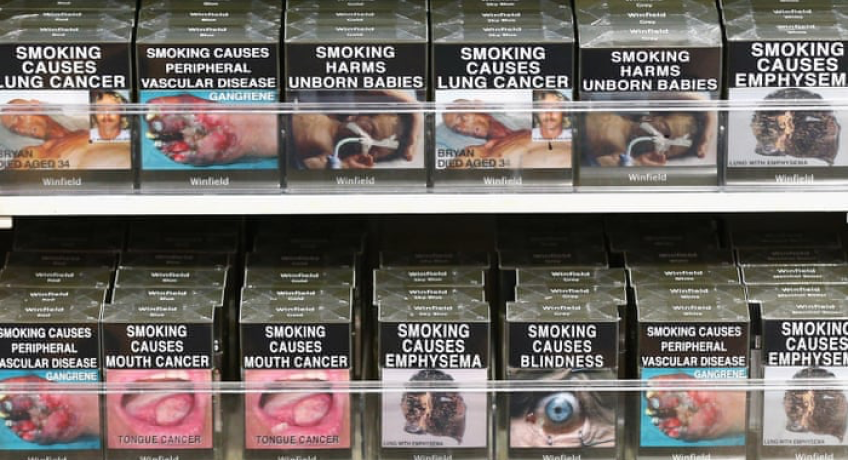
Australia made the pioneering move. Its Tobacco Plain Packaging Act 2011 established rules mandating that all retail packs use a drab dark brown colour (Pantone 448C), remove logos, and standardize fonts. Australia’s plain packaging law started on December 1, 2012. The UK followed: plain packaging in the UK replaced branded packs with standardised designs, fully implemented by May 2017. France introduced its own neutral packaging (“paquet neutre”) around the same time, with full sell-through completed by January 2017.
By the mid-2020s, many countries-including Ireland, Norway and Canada-had either implemented or announced standardized packs, reshaping global cigarette branding strategy in the process.
How Plain Packaging Works: Design Rules and Branding Limits
“Plain” doesn’t mean white or unprinted. It means standardized and tightly regulated, leaving almost no space for traditional branding.
Here’s what the rules typically look like, using Australia and the UK as concrete examples:
- Base colour: a single drab shade (Pantone 448C in Australia), applied to all outer surfaces with a matte finish
- Pack dimensions: fixed sizes; from July 2025, Australian packs must contain exactly 20 cigarettes
- Brand names: allowed but printed in a prescribed font (e.g. Lucida Sans), fixed size, specific placement
- No logos or images: all brand imagery, mascots and promotional text are banned
- Health warnings: 65% of cigarette packaging must display health warnings under plain laws, with rotating graphic images and text approved by health authorities
These rules outlaw traditional cigarette branding tools such as foils, metallic inks, embossing, distinctive colour coding and promotional messages. Even the lining inside packs is regulated in Australia-silver foil with white backing only.
For manufacturers and retailers, the operational implications are significant. Cartons and cases need redesigning, inventory systems must rely on plain typography instead of logos, and customers need education about new plain-pack variants. Plain packaging aims to reduce smoking rates among youth by making every pack look equally unappealing.
Iconic Cigarette Brands Before Plain Packs
Before plain packaging arrived in markets like Australia and the UK, several cigarette brands built near-mythical status through their pack design and advertising. Cigarette brands often used emotional positioning in their marketing campaigns to forge deep connections with smokers.
Marlboro cigarettes is the primary case study. Launched in 1920 as a “women’s cigarette” with red tips designed to hide lipstick marks, it was repositioned in the 1950s as a rugged men’s brand. The red-and-white chevron pack and Marlboro Man cowboy imagery became arguably the most recognized cigarette branding in the world.
Benson & Hedges cigarettes exemplified premium positioning. Its metallic gold pack, embossed crest and association with luxury, parties and high-end sponsorships communicated refinement through every detail of the design.
Double Happiness cigarettes offers a cultural-symbol example. Its bright red Chinese pack, gold calligraphy and traditional motifs linked the brand to celebration, marriage and prosperity in several Asian competitive markets. Cultural motifs in packaging like these create emotional connections with consumers that transcend the product itself.
More contemporary accessible brands such as Manchester cigarettes took a different approach. Cleaner typography and approachable colours positioned them as everyday, value-for-money cigarettes while still building a clear brand identity that could stand alongside premium competitors.

Design Elements that Built Cigarette Brand Identity
Cigarette branding traditionally relied on four main visual tools, each doing specific work to shape how people perceived a product before they ever lit one.
Colour
Color coding is used to differentiate brands and suggest product attributes like strength. Marlboro Red signalled “full-flavour” masculinity, while light blues and silvers communicated smoother or lighter variants. Deep blacks or golds indicated premium lines. This system became so embedded that smokers could identify their preferred strength by colour alone.
Typography
Typography in cigarette design enhances brand recognition and identity. The angled “Marlboro” wordmark, the refined serif fonts of Dunhill, and the bold clean type on Manchester packs each created recognition at a glance. Cigarette packaging communicates brand identity and consumer perception through these carefully chosen typefaces.
Symbols and Mascots
From the Marlboro cowboy to softer, cartoon-style mascots used in earlier decades, these figures gave brands a human face and a personality. They turned a commodity product into something with a story consumers could buy into.
Materials and Finishes
Premium cigarette packs often feature embossed logos and metallic details-textured boards, soft-touch laminates and metallic foils that signalled quality before a pack was even opened. Packaging design plays a crucial role in tobacco marketing strategies because these tactile cues shaped perceived value as much as the tobacco inside. Everyday brands, by contrast, used simpler materials to communicate affordability and reliability.
Social Meaning of Cigarette Brands and Packs
Cigarette packs have always carried social meaning, functioning as visible badges of identity when pulled out in a bar, workplace or social gathering. Cigarettes are often marketed as “badge products” to convey personal brand statements-a fact the tobacco industry understood well.
In plain language, social identity theory works like this: people define themselves partly by the groups they belong to, and the brands they choose help signal that membership. Smokers often identify with specific brands to deflect negative stereotypes associated with smoking as a whole. Brand identity helps smokers define themselves positively, whether that means “sophisticated” (slim, white-and-gold branded packs), “rugged” (red or dark packs with bold symbols) or “value-conscious” (simple, utilitarian designs).
Research from Australia after the 2012 introduction of plain packaging found clear declines in smokers’ positive brand identity, perceived brand prestige and satisfaction with pack appearance once logos and colours were removed. Plain packaging reduces brand identity for established smokers, and plain packaging reduces smokers’ brand identity and smoking behavior more broadly. In France, the proportion of smokers who liked their pack’s appearance dropped from roughly 53% to 16% after neutral packaging was introduced.
Weaker brand identity has been linked to increased thoughts about quitting and reduced pride in being seen with a pack. Smokers’ brand identity decline predicts lower smoking behavior, suggesting that stripping brand meaning can support health behaviour change even if nicotine addiction remains strong.
Counterfeit Risks and Quality Signals in Unmarked Cigarette Packs
When visual branding is removed or standardized, it becomes harder for consumers to distinguish genuine tobacco products from counterfeits at a glance. This is a concern that has shaped the debate around plain packaging from the start.
Tobacco companies and some retailers argued during policy debates in France, the UK and Australia that neutral packs could make it easier for illicit traders to copy legal products, because there are fewer distinctive brand markers to imitate. In fact, data from Australia’s 2025 National Drug Strategy Household Survey shows that 34% of current smokers reported recent illicit tobacco use-up from roughly 17% in 2022-23.
Branded packs used to provide quality cues: consistent logo placement, high-quality printing, precise colours and tactile finishes helped smokers feel confident they were buying what they expected. Regulators and manufacturers have responded by incorporating covert security features-special inks, tracking codes and serialized tax stamps-that help customs and retailers verify authenticity even on standardized packs.
For online retailers like Local Tobacconist Australia, reassurance now comes through secure payment systems, clear sourcing from authorized wholesalers, and discreet but compliant packaging rather than on-pack branding alone.
How Design Still Differentiates Cigarette Products Under Regulation
Even in markets with plain packaging, there is still limited room to differentiate tobacco products within tight legal boundaries. Brand recognition continues even under strict marketing regulations due to established brand heritage-a fact that frustrates public health advocates and sustains the industry simultaneously.
One of the few remaining tools is variant naming. After plain packaging arrived in Australia, research found that the use of colour descriptors in variant names rose from roughly 49.5% to 79.3% among leading brands. Terms like “Red,” “Blue,” “Gold” and “Ice” now serve as proxies for strength, taste profile or price tier. Modern tobacco marketing focuses on brand differentiation through packaging and product manipulation within whatever space regulations allow.
Cigarette stick design has also been increasingly regulated. Some jurisdictions ban coloured filters, slim sticks and decorative elements to prevent companies from relocating branding from the pack to the product itself.
Companies work within rules carefully: approved fonts, orderly layout and precise naming hierarchies still suggest a premium, classic or everyday positioning without using images or colours. Tobacco marketing strategies have evolved due to strict regulatory environments, pushing differentiation into ever-narrower channels. Even carton design and logistics packaging for trade channels must balance practicality with compliance-barcodes, batch codes and orientation markings are about as creative as it gets.

Cigarette Branding and New Tobacco Laws in Australia (2023–2030)
Australia’s National Tobacco Strategy 2023-2030 sets ambitious targets. The country already has some of the world’s lowest daily smoking prevalence-just 5.6% among people aged 14 and over according to the 2025 National Drug Strategy Household Survey, down from 19.5% in 2001. The strategy aims to push that figure below 5% by 2030.
The 2025 product changes mandated by new legislation include:
- Pack size standardization: cigarette packs must contain 20 sticks; roll-your-own pouches must hold 30 g
- Menthol ban: menthol cigarettes and flavour accessories (crush balls, flavour cards) banned from 1 July 2025, because evidence shows menthol makes it easier to start smoking and harder to quit
- Descriptor restrictions: removal of terms like “smooth,” colours like “gold” and any naming that could suggest reduced harm
- Flavour bans: additives including rum and clove are also targeted
Some existing cigarette brands or variants will disappear from the Australian market because they no longer meet these new standards. This is a clear step in a longer course of regulatory tightening that has reshaped what appears on shelves across the country.
Legitimate retailers, including online stores like Local Tobacconist Australia (operating since 2024), need to keep catalogues current, explain reformulated products to customers, and ensure that every cigarette pack sold complies with the latest labelling and plain-pack rules across all Australian states and territories.
Premium, Classic and Everyday Positioning in Cigarette Branding
Even without flashy packs, cigarette brands still sit in recognisable tiers. Each tier carries its own brand identity cues, communicated through channels that survive the minimalist constraints of plain packaging.
| Tier | Historical Cues | Plain-Pack Cues |
| Premium (Benson & Hedges, Dunhill) | Metallic packs, embossed crests, refined colour palettes | Higher price, heritage variant names, reputation |
| Classic/Heritage (Marlboro) | Bold red-and-white design, decades of advertising | Legacy recognition, consistent naming, strong market presence |
| Everyday/Value (Manchester) | Clean typography, simple colour-coded variants | Lower price point, straightforward names, wide availability |
Tobacco companies rely on price positioning to differentiate products in limited branding opportunities. Premium brands suggest superior tobacco selection through pricing alone. Heritage brands like Marlboro rely on decades of history that remain in smokers’ mind even as visual branding is stripped away. Budget brands communicate reliability and value rather than luxury.
For retailers, understanding these tiers is important when arranging their offer. In a world of identical-looking packs, recommending the right product depends on knowing the brand’s positioning and the customer’s expectations-not on which pack looks the flashiest.
Digital Channels and the Future of Cigarette Brand Identity
As physical cigarette packs become more standardized, brand identity is gradually shifting toward digital touchpoints-within strict advertising and promotion laws.
Adult smokers now discover and compare legal cigarette brands through age-gated websites, online retailers and review forums. The “look” of the brand is more about product descriptions, UX design and trust signals than about traditional pack artwork. E-cigarette companies often use digital marketing to connect with younger audiences, a practice that has drawn regulatory scrutiny and further tightened rules around how any nicotine product can be presented online.
Online retailers such as Local Tobacconist Australia focus on clear product information, secure transactions, delivery reliability and discreet packaging instead of promotional imagery or lifestyle marketing. This approach reflects the reality that regulations in Australia and many other countries restrict online advertising for tobacco products.
Looking forward, emerging nicotine delivery products and potential future regulatory changes may continue to push tobacco companies to think of brand identity beyond the cigarette pack. The industry will likely use permitted communication spaces-corporate websites, compliance documentation, customer service quality-carefully and transparently. The days of brand identity being carried by a single, eye-catching pack are longer behind us with each passing year.
Ethical and Public Health Debates Around Cigarette Branding
Cigarette branding sits at the centre of a long-running ethical debate between commercial freedom, consumer information and the duty to protect public health.
The public health case is straightforward: flashy packs and brand imagery can make smoking appear less risky, particularly to young people, and can undermine the effects of health warnings. Tobacco companies use youth-targeting strategies such as trendy flavours and sleek designs to attract new users-a practice that plain packaging is designed to neutralize. Corporate social responsibility campaigns are used by tobacco companies to improve public image, but critics argue these campaigns cannot offset the fundamental harm of the products being sold.
The industry’s counter-arguments centre on the claim that packaging mainly helps adult smokers distinguish between competing products, choose quality and price, and exercise brand preference rather than recruit new smokers. Companies including British American Tobacco have argued that plain-pack laws amount to expropriation of intellectual property-specifically trade mark rights.
These legal controversies have been tested in courts and international arbitration. Australia’s plain packaging laws were challenged on constitutional and trade mark grounds, but both domestic courts and the World Trade Organization upheld them as legitimate under public health necessity. France’s Conseil d’État reached similar conclusions.
Regardless of stance, the trajectory since 2012 points clearly toward stricter control of cigarette branding across the world, with health warnings and quit support information taking precedence over logos and colour. The subject is far from settled, but the direction of change is clear.

Frequently Asked Questions About Cigarette Branding
This FAQ addresses common practical questions about how cigarette branding and packaging work today, particularly for smokers in Australia navigating a rapidly changing regulatory landscape.
Does plain packaging mean all cigarette brands are the same?
No. Plain packaging standardizes the look of cigarette packs but does not make the tobacco blends or manufacturers identical. Different brands still exist with distinct recipes, price points and origins. Brand and variant names, manufacturer details and tax markings still appear on packs, allowing consumers to choose among legal products even when the design is uniform. However, any claims of reduced harm, “lightness” or special health benefits are heavily restricted or banned under Australian law.
How can I tell if a cigarette pack is genuine under plain packaging?
Check for required Australian health warnings, graphic images and government health messages that match current regulations-illicit packs often use outdated or incorrect warnings. Look for excise or tax markings, batch codes and manufacturing information, which should be clearly printed and not smudged or misspelled. Buying only from reputable retailers, including licensed online stores such as Local Tobacconist Australia, which source stock from recognized wholesalers and comply with national legislation, is the most reliable way to ensure authenticity.
Will menthol-branded cigarettes disappear from Australian shelves?
Yes. Menthol cigarettes and menthol accessories are banned in Australia from 1 July 2025 as part of new tobacco control measures. Brands may remove menthol variants from their Australian line-ups or reformulate products without menthol, resulting in name and flavour changes visible in online catalogues and in-store ranges. Consult up-to-date product information from legal retailers or government health sites to see which products are no longer available.
Can cigarette companies still advertise or build brand identity online?
In Australia, tobacco advertising is highly restricted both offline and online, with a ban on lifestyle promotions and sponsorships aimed at the general public. Brand identity survives mainly through permitted elements such as product naming, corporate websites with factual information, packaging that complies with plain-pack rules, and consistent service quality from retailers. Age-gated online environments and strict compliance with national advertising standards are required whenever tobacco information is presented on the internet.
How do upcoming tobacco laws affect online cigarette purchases in Australia?
From 2025 onward, online retailers must ensure every cigarette pack they sell meets the new requirements on packaging, flavours, pack sizes and health warnings across all Australian states and territories. Some familiar cigarette brands or variants may disappear from online catalogues, while others might appear with updated names, stronger warnings or reformulated contents. Reputable platforms like Local Tobacconist Australia will update product listings, verify supplier compliance and continue to offer discreet delivery and secure transactions within the evolving legal framework.